Kiếm Tiền ChợTry 14 days free
Back to the home page
Case study: Coca-Cola, 1993

Get paid to wait, like Warren Buffett

In 1993, Warren Buffett collected $7.5 million by agreeing to buy Coca-Cola shares at a price he was willing to pay. Kiếm Tiền Chợ teaches you how this strategy works on a smaller scale.

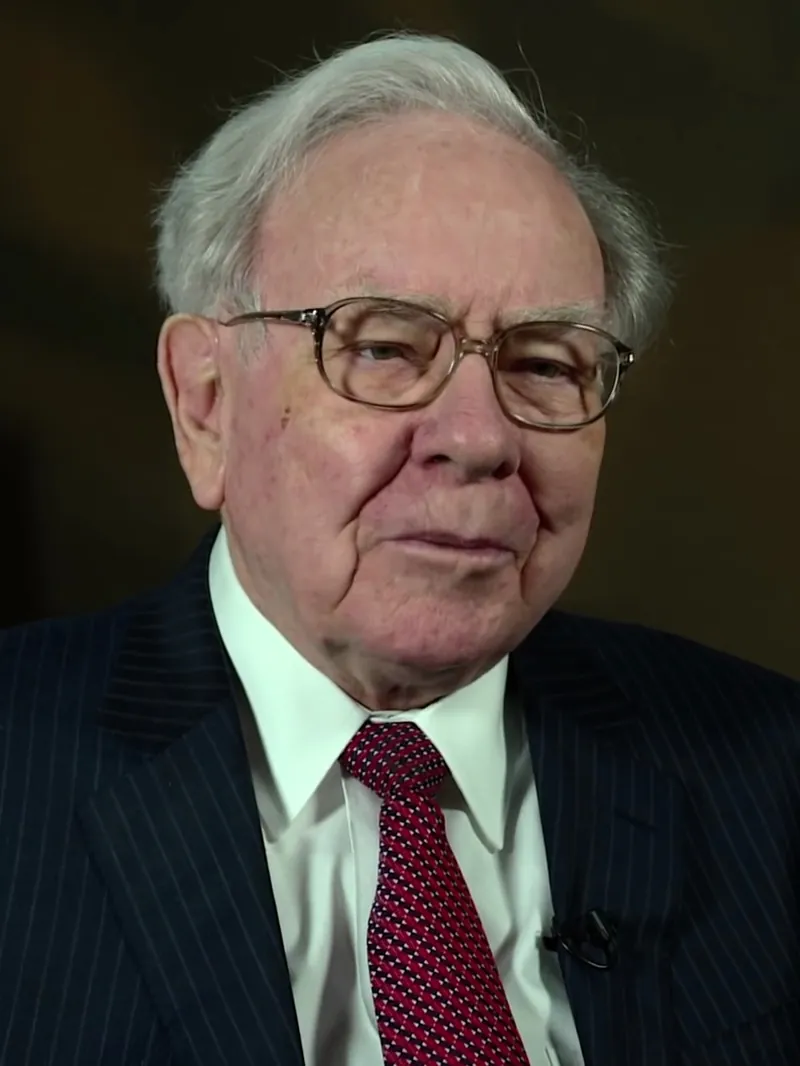
Warren Buffett
$7.5Mpaid up front, 1993
New to US stocks?

7 words to know before you start

You do not need a finance degree. These seven words are enough to follow every trade on this page.

1

Stock

A small piece of a company. In the US you buy it through a broker app, priced in US dollars.

2

Option

A contract between two investors about a stock, for a set period. The company itself is not involved.

3

Put

The right to sell 100 shares at a fixed price. The buyer of a put buys insurance. When you sell a put, you are the insurer.

4

Strike price

The price you promise to buy at. You usually choose one below today’s price.

5

Premium

The cash you receive upfront for making the promise. It is yours to keep, whatever happens.

6

Expiration

The day the promise ends. Usually a few days to a few weeks away.

7

Cash-secured

You keep enough cash in your account to buy the 100 shares if asked. No borrowing, no margin.

=

One contract = 100 shares. So a $105 strike means you set aside $105 × 100 = $10,500.

The trade, in three moves

  1. 1

    Choose a stock and your buying price

    Buffett agreed to buy 5 million Coca-Cola shares for $35 each if the contract required him to buy before a set deadline.

    Think of it as saying: “I’m willing to buy this stock for $35, and I’ll get paid for making that commitment.”

  2. 2

    Get paid upfront for that commitment

    The buyers paid him $7.5 million for the right to sell their shares to him at $35. That protection works much like insurance against a falling stock price.

    His commitment meant he could be required to spend $175 million buying the shares. For a beginner using this strategy, that means setting aside enough cash to cover the purchase.

  3. 3

    Keep the payment, with two possible outcomes

    If the contract expires without a purchase: you keep the upfront payment. That’s what happened in Buffett’s example.

    If you’re required to buy: you buy the shares at your agreed price and still keep the upfront payment.

    The risk: the stock can keep falling after you buy.

The trade in numbers

Shares promised
5,000,000
Share price at the time
about $40
Price he promised
$35.00
Paid to him, per share
$1.50
Paid to him, in total
$7,500,000
Cash he set aside
$175,000,000
Return on that cash
about 4.3%
What he ended up buying
nothing

Wait. Did Coca-Cola pay him that $7.5 million?

No. Coca-Cola had nothing to do with it. An option is a contract between two investors, traded on an exchange. The company whose name is on it receives nothing, pays nothing and is never asked, the way a house is the subject of an insurance policy without being a party to it.

Option buyersinvestors and traders
Exchangemarket makers
Buffettoption seller
Coca-Colathe subject only: receives nothing, pays nothing

So who did pay him, and why?

  • Investors who wanted protection

    A fund holding millions of Coca-Cola shares has a real problem if the price drops. For $1.50 a share it bought the right to sell at $35 however far the price fell. That is insurance, and Buffett was the insurer.

  • Traders who expected a fall

    Buying that right is a way to profit from a decline without borrowing shares to sell short. They were paying for a chance to be right.

  • Market makers in the middle

    Firms that stand between buyers and sellers and take a small spread for keeping the market running.

What all of them bought was certainty. What Buffett sold was his willingness to live with the uncertainty instead, backed by $175 million sitting ready.

Two ways it could have ended. He was content with both.

Drag the price to see what the same promise would have meant at any ending.

$42.00
$33.50his real cost$35promised price$40price that day

He buys nothing and keeps $7.5 million

The price ended at or above $35, so nobody asks him to buy. The $175 million he set aside is free again. This is what happened in 1993.

Premium he keeps$7.5M
Shares he must buy0
His real cost per sharenone
Market value per share$42.00
Where he stands on paper+$7.5M
What actually happened

Coca-Cola stayed above $35

The promises expired untouched. Nobody asked him to buy. He kept the full $7.5 million, and the $175 million he had set aside was free again.

The investors who paid him got nothing in return, exactly like paying for fire insurance in a year with no fire. They were not cheated; they bought protection and the risk never arrived.

The part people skip: he never got his cheaper shares. Coca-Cola kept climbing, so if he still wanted more he had to pay above $40 later. Being paid to wait only makes sense when you are content either way.

The other outcome

Coca-Cola falls below $35

Say it had dropped to $32. The holders of those contracts would have used them, and Buffett would have had to buy five million shares at $35: $175 million, already set aside for exactly this.

He keeps the $7.5 million regardless, so his real cost is $33.50 a share: below the $35 he said he would pay, and well below the $40 the stock cost on the day he made the promise.

And the honest part: the shares would be worth $32 while they cost him $33.50, about $7.5 million underwater on paper. At $25 the gap would be far bigger. The premium softens a fall; it does not cancel one. He accepted that because he wanted to own Coca-Cola for decades, not because the trade could not lose.
Step by step

Your first trade, from start to finish

Same idea as Buffett, at a size an everyday investor can use. The numbers come from a real pick on Sep 17, 2026.

  1. 1

    Open a US brokerage account

    Choose a broker, ask for options approval (the level that allows cash-secured puts), then deposit cash in US dollars.

  2. 2

    Pick a stock you would be happy to own

    This is the most important rule. If you would not want the shares, do not make the promise.

    Example: Robinhood (HOOD) · $109.71
  3. 3

    Choose your price and your date

    Pick a strike below today’s price and an expiration date. Then make sure the cash is in your account.

    Example: Strike $105 · 43 days · $10,500 set aside
  4. 4

    Place the order and collect the premium

    In the app, choose “Sell to open” 1 put. The premium arrives in your account right away.

    Example: +$688 received today
  5. 5

    Wait until expiration

    The $10,500 stays reserved. You do nothing. If you change your mind, you can buy the put back early to close it.

  6. 6

    On expiration day, one of two things happens

Outcome A

HOOD stays above $105

The promise expires. Nobody asks you to buy. You keep the $688 and your $10,500 is free again.

+6.6%on $10,500 in 43 days

Next: repeat with a new pick.

Outcome B

HOOD ends below $105

You must buy 100 shares at $105, using the $10,500 you set aside. You still keep the $688.

$98.12your real cost per share ($105 − $6.88)
HOOD priceOn paper
$100+$188
$95−$312
$80−$1,812

Next: keep the shares and wait, or sell them. The premium softens a fall; it does not cancel one.

Four rules for beginners

  • Only promise to buy stocks you would be glad to own.
  • Only use cash you will not need for months.
  • Never sell more contracts than your cash can cover.
  • The premium is the most you can earn on a trade. The loss can be larger.
Try 14 days free